Best leather mallet & maul
Every struck tool on your bench — chisels, punches, stamps, setters — is only as good as what hits it. Here is the striker to buy first, and the one mistake that ruins tools for good.
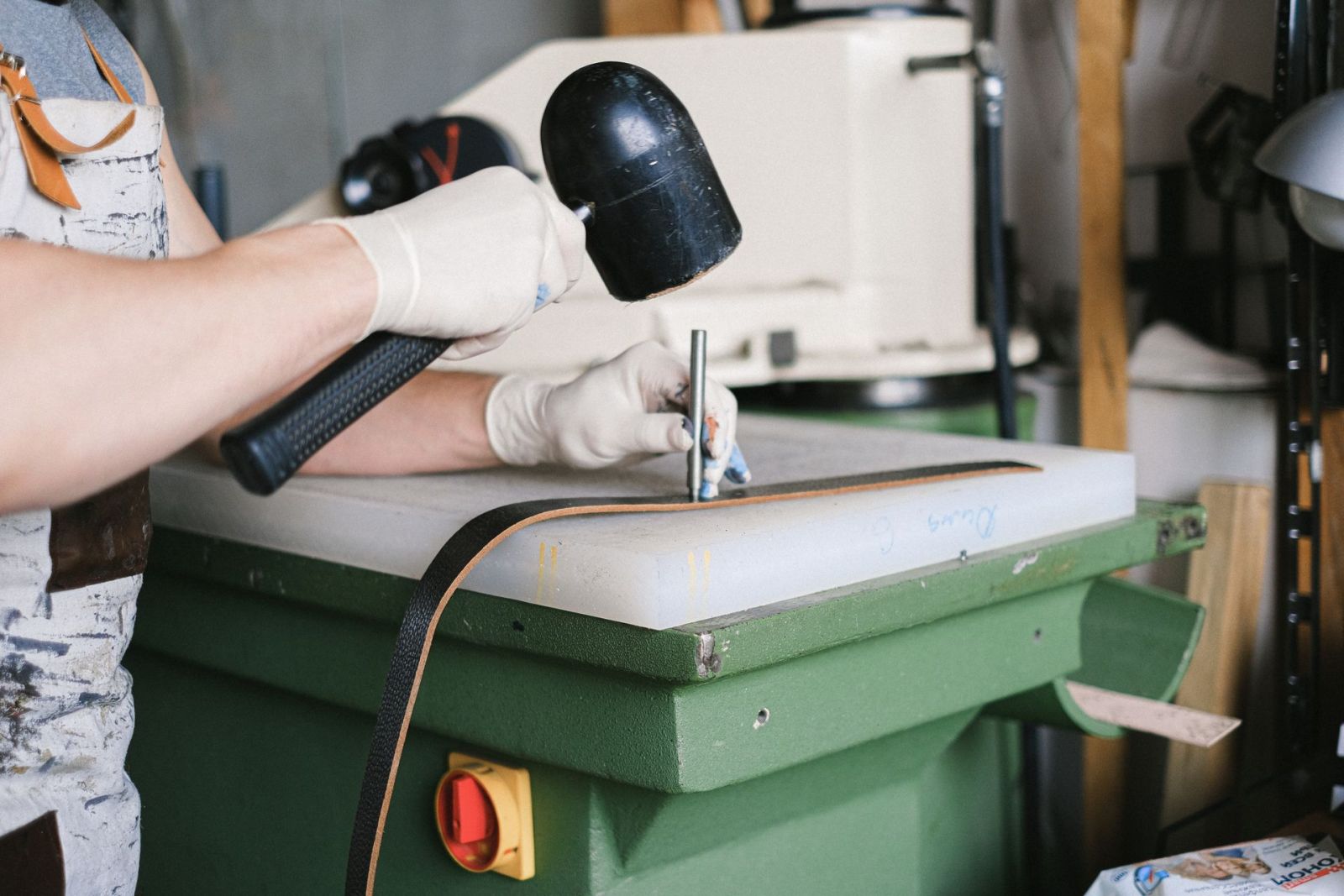
Quick answer
For a first striker, buy either a rawhide mallet (9–12 oz) or a poly/nylon maul around 16 oz. Both deliver a dead, controlled blow and spare your tool tops. Use lighter heads (12–16 oz) for detail stamping, medium (18–24 oz) for general tooling and chisels, and heavy (32 oz +) only for big punches. Never strike leather tools with a steel hammer — it mushrooms and chips them.
The striker seems like the least interesting purchase in leathercraft, right up until a $10 steel hammer wrecks a $40 stamp. Steel-on-steel peens the struck end of stamps, punches and chisels into a mushroom, and can chip hardened tools. Every soft-faced option — rawhide, wood, poly, nylon — exists to put the wear on the cheap replaceable striker instead of the tool.
The second thing nobody tells beginners: weight matters more than material. A head that is too light makes you swing harder and less accurately; too heavy and your wrist gives out halfway down a seam of chisel work.
Mallet or maul? The shape changes the swing
A mallet has a barrel-shaped head on a conventional handle — you swing it like a hammer, which is intuitive but tips the face slightly on every stroke. A maul carries a round, domed head centred over the handle; you rock it from the wrist and the force lands straight down no matter the angle. That is why production tooters prefer mauls: less energy per strike, less wrist strain over hours, and no glancing blows on tall stamps.
For a beginner either works. If you expect long tooling or stitching-chisel sessions, start with the maul; if you mostly punch holes and set the odd rivet, a mallet is fine.
Head materials compared
| Head | Blow | Durability | Best for |
|---|---|---|---|
| Rawhide | Dead, quiet | Surface frays, sand it true | Stamping & tooling, the classic choice |
| Poly | Firm, low bounce | Very good | All-round budget pick, rivets & stamps |
| Nylon | Firm, consistent | Excellent | Mauls, chisels, heavy daily use |
| Wood | Lively | Wears fastest | Occasional light work only |
| Steel hammer | — | — | Never on leather tools |
Which weight to buy
Supplier guidance clusters neatly: 12–16 oz for delicate tooling, small stamps and light leather; 18–24 oz as the versatile middle for general stamping and stitching chisels; 32 oz and up for large stamps, oblong punches and thick stacks, where the mass does the work in one clean strike. A 9 oz poly mallet is a fine ultra-light option for rivet setting and small stamps.
If you buy one head: 16 oz. It taps chisels through wallet leather without bruising and still sets a rivet with authority. Add a heavy maul when belt-weight punching becomes routine.
What to avoid
- Steel and dead-blow metal hammers on any struck leather tool — the tool loses every time.
- Featherweight craft mallets under ~9 oz; you compensate with harder, wilder swings.
- Gigantic first mauls (32 oz +) unless you already punch thick stacks daily — fatigue makes strikes inconsistent, and inconsistent strikes make double-struck stamps.
- Striking on the bench top. Punch over a poundo or poly board on a solid surface — our cutting & bench setup guide covers the full sandwich.
Strikers worth owning
One 16 oz all-rounder covers most beginners; the rest are refinements.
-
Poly Maul (round)
- Size
- ~1 lb head
- Level
- Beginner
A round poly head strikes chisels and stamps squarely from any angle and spares the tool tops. The versatile choice.
-
Poly/Rawhide Mallet
- Size
- poly or rawhide face
- Level
- Beginner
A cheaper flat-faced striker for stamping and punching. Never use a steel hammer on tool tops — it mushrooms them.
-
Rawhide Mallet (9-12 oz)
- Size
- 9–12 oz head
- Level
- Beginner
The traditional stamping striker: dead blow, quiet, gentle on tool tops. The head scuffs with use — that is normal; sand it true.
Reviewed 2026-07-20 -
Nylon Maul (16 oz)
- Size
- ~16 oz round head
- Level
- Beginner
A 16 oz round maul drives stitching chisels and punches with a wrist-rock, not a swing — less fatigue on long seams.
Reviewed 2026-07-20
Key takeaways
- First striker: rawhide mallet 9–12 oz or poly/nylon maul ~16 oz.
- 12–16 oz = detail work; 18–24 oz = general tooling; 32 oz + = heavy punching.
- Mauls rock from the wrist and land square — better for long sessions.
- Never use a steel hammer on stamps, punches or chisels.
Where to next: this page is part of our beginner-to-confident leathercraft path — carry on with best leather hole punch set, or double back to best leather stamps for beginners if you skipped it.
Frequently asked questions
Can I use a regular hammer for leather stamping?
No. A steel face mushrooms the struck end of stamps and punches and can chip hardened steel. Use rawhide, poly, nylon or wood — the soft face is the point.
What weight maul is best for stitching chisels?
Around 16 oz. It drives 4–6 prong chisels through wallet-weight leather with a relaxed tap. Move to 24 oz for thick stacks or wide irons, accepting a bit more fatigue.
Rawhide or poly mallet?
Performance is close. Rawhide is the tradition — dead blow, quiet, gentle — but the face frays cosmetically with use. Poly costs less and shrugs off abuse. Pick by budget and feel, not by dogma.
Why is my stamp impression doubled?
The head bounced or you struck twice off-centre — usually a too-light striker swung too hard, or a mallet face landing at an angle. A heavier maul, one deliberate strike, and holding the stamp firmly all fix it.
What surface should I punch on?
A poundo or poly board over a solid bench (a slab of granite under it is even better). Never punch on a self-healing cutting mat — mallet impacts chew it up — and never on steel or stone directly, which blunts the punch instantly.