What leather thickness for every project
Nearly every ruined first project traces back to the same receipt line: the wrong weight. Here is the ounce range each project actually wants, and why.
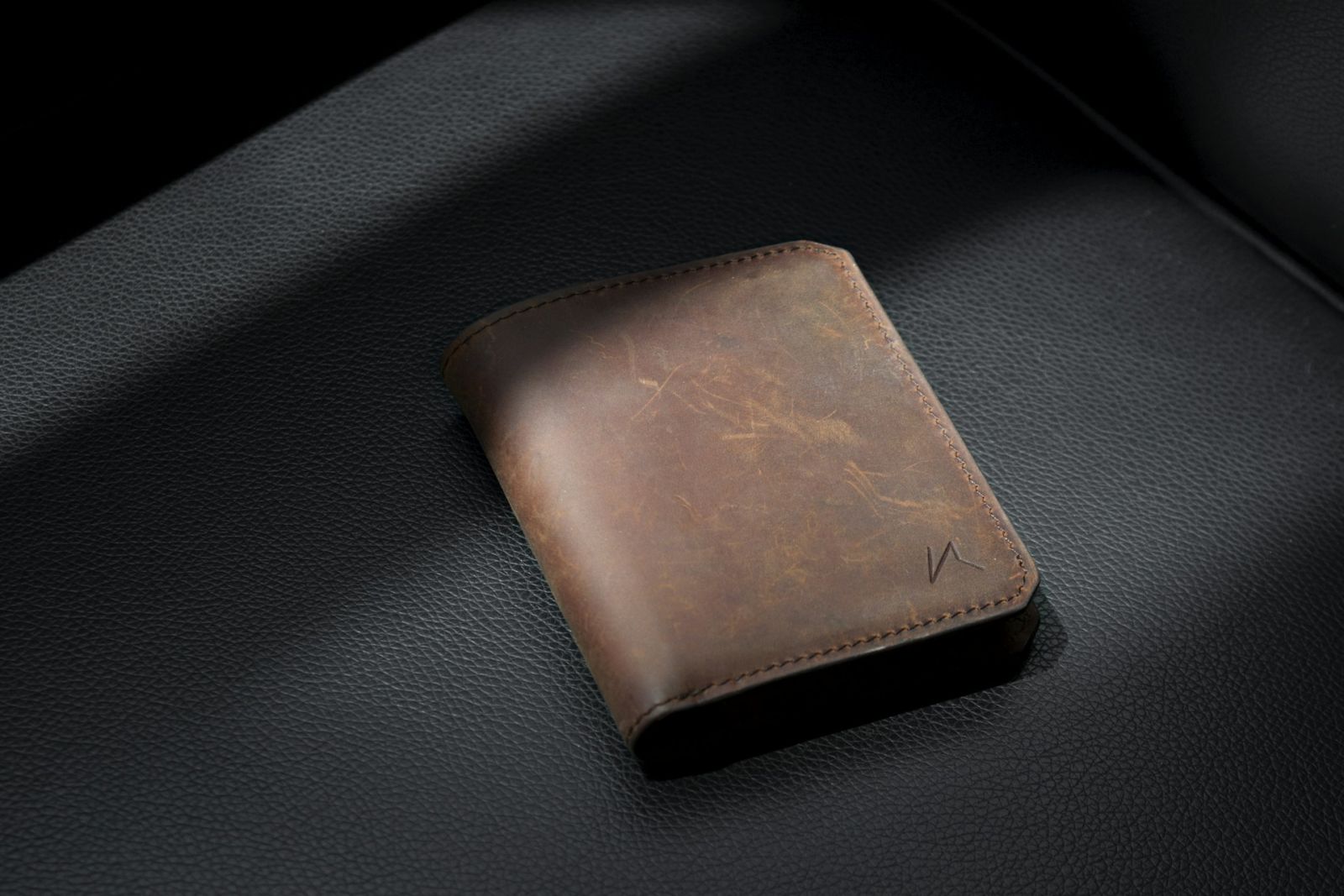
Quick answer
Match weight to structure: 2–3 oz for wallet pockets and linings, 3–5 oz for wallet exteriors, 4–6 oz for tote bags and journal covers, 7–10 oz for sheaths and holsters, 8–10 oz for single-layer belts, 9–12 oz for heavy straps and collars. One ounce = 1/64 in ≈ 0.4 mm, and hides are sold in ranges (e.g. “4–5 oz”), never exact numbers.
Leather weight is destiny. Too thin and a belt stretches into a sad ribbon; too thick and a bifold wallet becomes a brick that never closes flat. Suppliers quote weight in ounces — a hangover from when hide was sold by weight per square foot — where 1 oz equals 1/64 inch, roughly 0.4 mm. Because leather is a natural material split by machine, everything is sold in ranges: a “4–5 oz” shoulder varies within that band across its area.
Convert any value instantly with the thickness converter, and read the full conversion table in our oz-to-mm chart. This page answers the practical question the chart cannot: which range does my project want?
The ranges at a glance
Compiled and cross-checked from the Tandy, Buckleguy and Liberty Leather Goods supplier charts:
Recommended weight by project
Bars show the consensus range across major supplier charts. When in doubt, pick the middle of the band.
Small goods: wallets, card holders, watch straps
Small goods live and die on total stack. A bifold has four to six layers at the spine — build it from 5 oz everywhere and you have a 20–30 oz sandwich that will not fold. The working formula: 3–4 oz exteriors (up to 4–5 oz for a one-piece wallet that must hold shape alone) and 2–3 oz pockets, skived thinner where layers pile up (see how to skive). Watch straps run 1–3 oz per layer — supple enough to curve around a wrist from day one.
Bags, totes and covers
4–6 oz is the bag zone. At 4 oz a tote slouches pleasantly; at 6 oz it stands up on its own. Structured satchels sit at the top of the band, soft chrome-tan hobos below it (2–4 oz with a lining doing the structural work). Journal and notebook covers share the 4–5 oz sweet spot — substantial in the hand, still happy to wrap around a book. If the bag will carry real weight daily, favour the top of the range and reinforce strap anchors (our rivets vs stitching page covers how).
Belts, straps and collars: firmness is the feature
Anything that carries tension needs mass and tight fibre. A single-layer belt wants 8–10 oz from the bend (Buckleguy pegs the average belt strap at 7–8 oz, selling blanks at 8–10 oz); dog collars sit at 8–9 oz; heavy harness straps at 9–10 oz. Lined dress belts are commonly built instead from two lighter layers glued and stitched — a maker practice worth knowing, though layer weights vary by pattern. Whichever route, cut straps from the bend, never the belly (hide cuts explained).
Molded work: sheaths, holsters, trays
Wet-molded goods need enough body to hold a shape after drying: 7–8 oz for holsters, 8–9 oz for knife sheaths per the Tandy chart, with 9–10 oz for hard-service saddlery. Lighter 4–6 oz veg-tan wet-forms beautifully for valet trays and cases where the walls carry no load. The molding process itself — soak, form, dry — is covered step by step in how to wet mold leather.
| Project | Weight (oz) | Thickness (mm) | Note |
|---|---|---|---|
| Watch straps | 1–3 | 0.4–1.2 | Per layer; line thin straps |
| Wallet pockets | 2–3 | 0.8–1.2 | Skive stacked edges |
| Wallet exteriors | 3–5 | 1.2–2.0 | 4–5 oz if unlined |
| Journal covers | 4–5 | 1.6–2.0 | Wraps yet holds shape |
| Tote bags | 4–6 | 1.6–2.4 | Top of range = structure |
| Holsters | 7–8 | 2.8–3.2 | Wet-molded veg-tan |
| Knife sheaths | 8–9 | 3.2–3.6 | Wet-molded veg-tan |
| Belts (single layer) | 8–10 | 3.2–4.0 | Cut from the bend |
| Dog collars | 8–9 | 3.2–3.6 | Round or paint edges |
| Heavy straps / harness | 9–10 | 3.6–4.0 | Load-bearing gear |
Leather matched to these weights
Shoulders for small goods, bends and blanks for straps — pick the cut after the weight.
-
Pre-Cut Veg-Tan Panels (assorted)
- Size
- 6x8 to 12x12 in panels
- Weight
- 4-6 oz
- Tannage
- Veg-tan
- Level
- Beginner
Small pre-cut panels — the cheapest way to start without buying a hide. Great for wallets and practice.
Reviewed 2026-06-30 -
Veg-Tan Tooling Shoulder (single, 4-5 oz)
- Size
- 4–7 sq ft | 4-5 oz
- Weight
- 4-5 oz
- Tannage
- Veg-tan
- Level
- Beginner
A single shoulder is the sweet-spot first hide: enough for several wallets, firm enough to tool, not too costly.
Reviewed 2026-06-30 -
Veg-Tan Tooling Shoulder (single, 6-7 oz)
- Size
- 4–7 sq ft | 6-7 oz
- Weight
- 6-7 oz
- Tannage
- Veg-tan
- Level
- Beginner
Heavier shoulder for straps and structured small bags. Firm temper takes stamps crisply.
Reviewed 2026-06-30 -
Veg-Tan Double Shoulder (8-14 sq ft)
- Size
- 8–14 sq ft | choose weight
- Weight
- 4-8 oz
- Tannage
- Veg-tan
- Level
- Intermediate
More area for bag panels or a run of wallets. Better value per square foot than singles.
Reviewed 2026-06-30 -
Veg-Tan Side (18-24 sq ft)
- Size
- 18–24 sq ft | choose weight
- Weight
- 4-9 oz
- Tannage
- Veg-tan
- Level
- Intermediate
A full side is the best value once you make things regularly. Expect grade variation across the hide — plan cuts around brands and scars.
Reviewed 2026-06-30 -
Veg-Tan Belt Blank 8-10 oz (pre-cut strap)
- Size
- 48–72 in x 1–1.75 in strap
- Weight
- 8-10 oz
- Tannage
- Veg-tan
- Level
- Beginner
Pre-cut, uniform-thickness strap — the reliable way to make a first belt without a strap cutter or a whole side.
Reviewed 2026-06-30 -
Veg-Tan Bend (firm, 9-14 sq ft)
- Size
- 9–14 sq ft | 8-12 oz
- Weight
- 8-12 oz
- Tannage
- Veg-tan
- Level
- Intermediate
The bend is the firmest, most consistent part of the hide — ideal for belts and holsters if you cut your own straps.
Reviewed 2026-06-30 -
Chrome-Tan Garment Hide (soft, 2-3 oz)
- Size
- 15–22 sq ft | 2-3 oz
- Weight
- 2-3 oz
- Tannage
- Chrome-tan
- Level
- Beginner
Soft chrome-tan for linings and slouchy bags. Does not tool or hold shape like veg-tan; pick by project, not price.
Reviewed 2026-06-30
Key takeaways
- One ounce = 1/64 in ≈ 0.4 mm; everything sells in ranges.
- Wallets: thin inside (2–3 oz), medium outside (3–5 oz).
- Belts and collars: 8–10 oz from the bend, no exceptions.
- Molded goods: 7–9 oz veg-tan holds the shape it dries in.
Where to next: this page is part of our beginner-to-confident leathercraft path — carry on with types of leather explained (full grain, top grain, genuine, bonded), or double back to leather weight chart: oz to mm buying guide if you skipped it.
Frequently asked questions
What weight leather for a first project?
A 4–5 oz veg-tan shoulder is the most forgiving all-rounder: firm enough for card holders and covers, thin enough to cut and stitch without a fight, and cheap enough to waste a corner learning.
What does “oz” mean in leather?
Thickness, not weight of the piece: 1 oz equals 1/64 inch (about 0.4 mm). So 8 oz leather is roughly 1/8 in / 3.2 mm thick. The term survives from when hide was priced by weight per square foot.
Can I make a belt from 4–5 oz leather?
Only as a lined belt: two layers glued and stitched into an 8–10 oz composite. A single 4–5 oz layer stretches and rolls within months of daily wear.
What thickness for a knife sheath?
8–9 oz veg-tan is the supplier-chart standard — enough body to wet-mold crisply and shield the edge. Pair it with a welt of the same weight along the blade line.
Is thicker leather always better quality?
No — thickness is a spec, not a grade. Quality lives in the tannage, the cut of the hide and the grain (see types of leather). An 8 oz belly is still weak; a 3 oz calf shoulder can be superb.